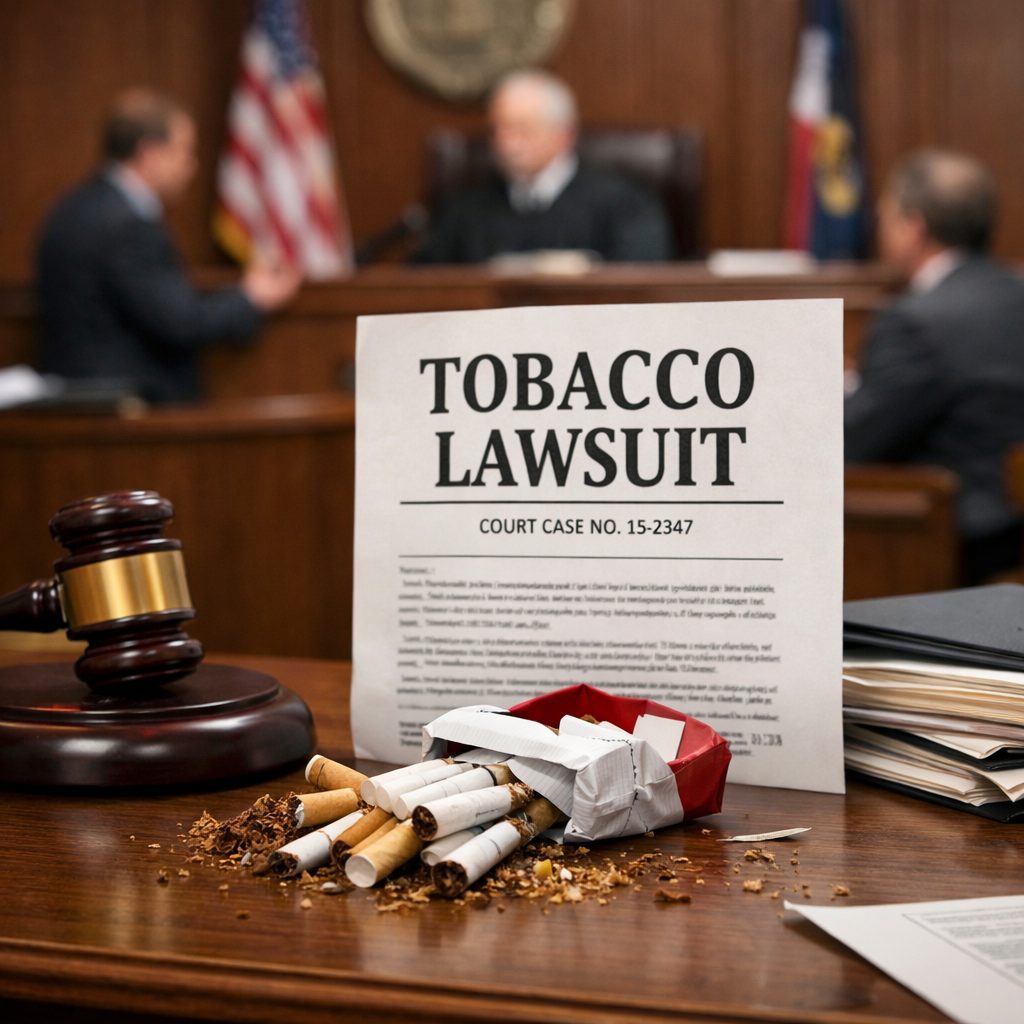
Jurors this week handed down a $1.225 million verdict against R.J. Reynolds for the role it found the tobacco company played in the cancer death of a Florida man.
The award includes $500,000 in compensatory damages awarded on Wednesday and another $725,000 in punitives awarded a day later for Timothy Walsh Sr’s death from lung cancer.
Walsh’s family contends he began smoking before he was a teenager, and continued smoking a pack or more of cigarettes a day, favoring Reynolds’ Camel brands, throughout much of his life. They contended his 199 lung cancer death was caused by Reynold’s cigarettes and the decades-long initiative to conceal the dangers of smoking.
The case is one of thousands spun off from Engel v. Liggett Group, Inc., a Florida state-court class-action lawsuit originally filed in 1994.
After a trial victory for the class members, the state’s supreme court ultimately decertified the case, but ruled that so-called Engle progeny cases may be tried individually. What fueled Walsh’s smoking decisons throughout his life served as a key battle in the case.
In the closing of the trial’s Engle class-membership phase on Wednesday, Jones Day’s John Walker, representing Eynolds, reminded jurors of evidence that he said showed Walsh knew the risks of smoking for decades but did not do enough to try to quit cigarettes to avoid his fatal cancer.
“The reality is that Mr. Walsh had many, many opportunities to avoid getting cancer by taking action that he didn’t take,” Walker said, “especially in the decade of the [19]70s when he didn’t even try to quit smoking.”
But in his closing Wednesday, Avera & Smith’s Rod Smith, representing Walsh’s family, contended that Walsh was heavily addicted to cigarettes and believed false tobacco messaging that filtered and “light” cigarettes were safer alternatives to unfiltered options.
Smith said evidence showed filters and “light” options were created to prevent smokers like Walsh from quitting, and, in Walsh’s case, were successful.