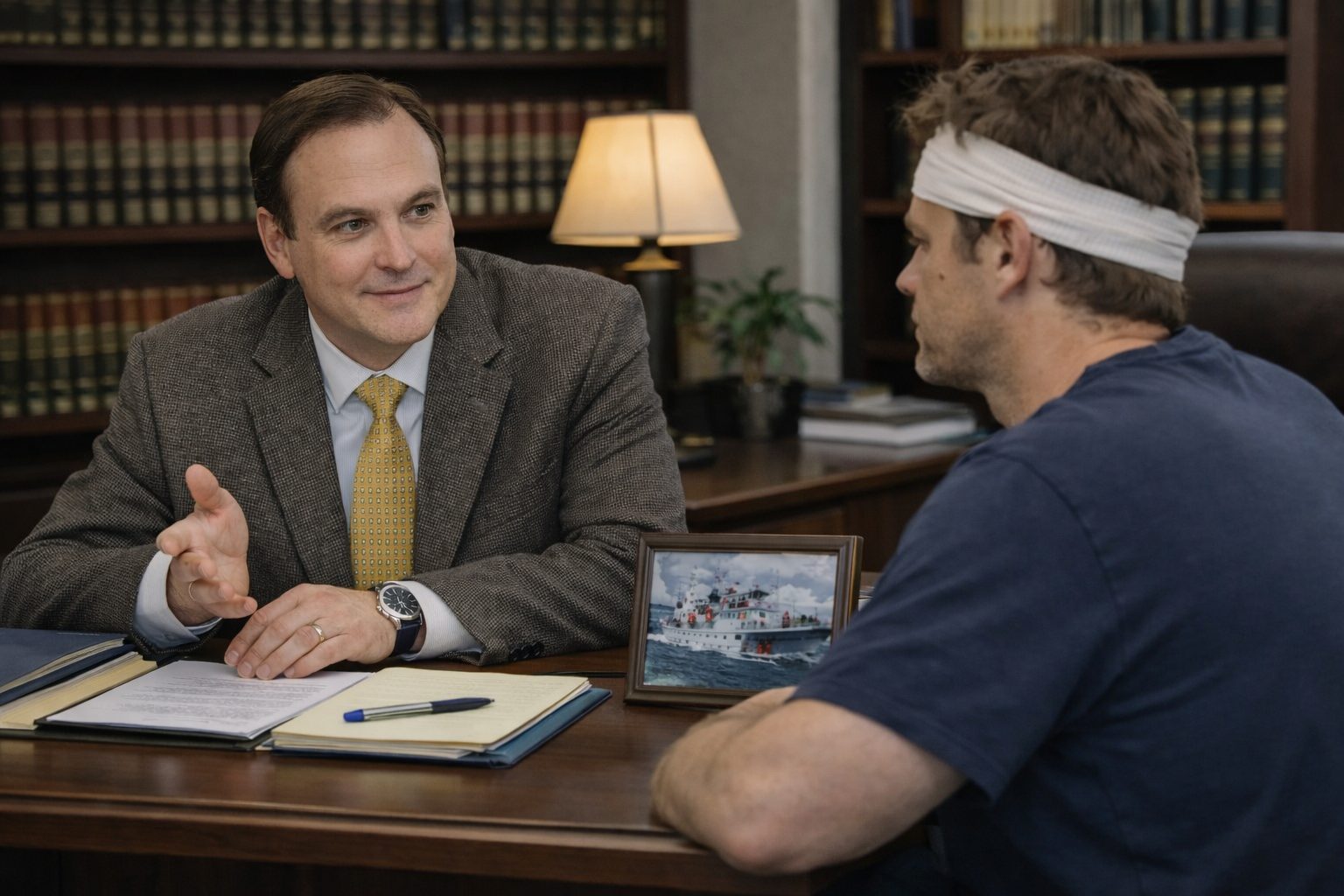
You may be wondering who, if anyone, you can sue if there was a failed attempt to rescue you or a loved one at sea. A California boating accidents attorney at The Law Offices of Preston Easley, APC can explain who the possible defendants may be in a lawsuit.
If there has been a failed rescue attempt at sea, your mind may immediately go to the rescuer as the one who could be liable in a lawsuit. Although one does not have to attempt a rescue (and this principle applies to the Coast Guard as well), they must use reasonable care if they do try to rescue you. If they fail to do so, you may have a potential lawsuit against them under the Good Samaritan Doctrine.
Learn more about a potential legal case by scheduling a free initial consultation with a boating accidents lawyer in California at The Law Offices of Preston Easley, APC by calling us at (310) 773-5207. It is essential that you make this call as soon as possible, given potentially tight legal timeframes for filing a claim.
The Coast Guard Must Use Reasonable Care if They Attempt a Rescue
The Coast Guard does not have an affirmative obligation to provide Rescue Services to every Seafarer who is in distress on the waters. However, the Coast Guard often undertakes to rescue boaters who are in trouble on the high seas. You may be wondering whether you can file a lawsuit against the Coast Guard if they have been negligent in a rescue mission. The answer is that you can potentially sue the Coast Guard, although it is not always easy to win these types of claims against the federal government.
In general, the Coast Guard does not owe you a duty to rescue you if your vessel is in distress. Courts have been called upon to decide this issue several times over the years. The general statement of law is that, while the Coast Guard has no affirmative duty to rescue, it must use reasonable care if it does decide to provide assistance. Whether the Coast Guard decides to initiate a rescue mission is a policy matter within the service’s discretion. When any government agency, or its representatives, make a discretionary policy decision, they are typically shielded from liability.
Filing Legal Claims Against the Coast Guard
The Federal Tort Claims Act allows you to file a claim against the federal government under certain circumstances. The law waives the government’s usual sovereign immunity that would otherwise keep you from being able to file a lawsuit. Of importance here is the fact that there is a “Good Samaritan” exception in the FTCA. In any instance in which there is a Good Samaritan exception, while one does not have a duty to act, they must act reasonably if they choose to do so. With that in mind, the Coast Guard is bound by certain legal principles once it begins a rescue mission. At that point, the Coast Guard assumes a duty of care that they owe you as the person who is being rescued.
There is a United States Supreme Court case that is squarely on point. In the seminal case of Indian Towing Co. v. United States, the Court found that the Coast Guard should be held liable to the same extent that a private individual would when they have acted under similar circumstances. If a private person attempts a rescue at sea, they could potentially be liable under the Good Samaritan Doctrine if they chose to act.
When applying this holding, other courts have looked at whether the Coast Guard’s actions impacted a victim’s situation. For example, in Turner v. United States, the Ninth Circuit did not hold the Coast Guard liable for their actions during a failed rescue mission because its actions did not materially worsen the victim’s situation. Whether you are able to recover compensation in your situation depends on what the Coast Guard did and how they impacted the potential for a successful rescue.
Even if you have a potential claim against the Coast Guard, you should know that you are dealing with a very opaque and difficult legal framework. It is notoriously difficult for plaintiffs to win cases under the Federal Tort Claims Act. However, the law theoretically provides for liability if a government official was negligent in performing certain functions. You can expect a hard-fought case and the potential that you may need to take your lawsuit to federal court if your initial claim is denied.
Contact a California Boating Accidents Law Firm Today
If you or a loved one has been injured in a boating accident, talk to an attorney at The Law Offices of Preston Easley, APC about a potential lawsuit. You can schedule a free initial consultation with a California boating accidents lawyer by visiting the firm’s website or by calling them today at (310) 773-5207.